This month, like every April since 1996, is National Poetry Month—an annual commemoration of a literary form forever entwined with the tradition of commemoration. Poetry first blossomed in an age before publications or printing or even written language, as a conduit for cultural memory, a way to pass histories and myths down through generations in song and verbal recitation. Thousands of years later, most historians no longer sing their stories in rhyme and meter. But poetry lingers in acts of grief and remembrance; lines of verse can still be found carved into gravestones and memorials, written into eulogies, and set down as elegies for what has been lost.
Just as the earliest poems connected listeners to a cultural past, more contemporary poetic remembrances create bridges through time: to old stories, dead heroes, lost relatives, lingering wrongs. A companion to a 19th-century painting of Joan of Arc recalls the French heroine’s lost girlhood. Robert Hayden’s tribute to Frederick Douglass traces the abolitionist’s legacy into a yet-unrealized future of freedom and equality. Robert Lowell’s “For the Union Dead” reexamines Boston’s embrace of a progressive Civil War officer against the backdrop of the civil-rights era. Natasha Trethewey finds her late mother in the centuries-old depiction of a European saint. And Lauren K. Alleyne, on the 50th anniversary of Martin Luther King Jr.’s assassination, conjures his voice to mourn Trayvon Martin.
Each week in the Books Briefing, we thread together Atlantic stories on books that share similar ideas, and ask you for recommendations of what our list left out.
Check out past issues here. Know other book lovers who might like this guide? Forward them this email.
What We’re Reading
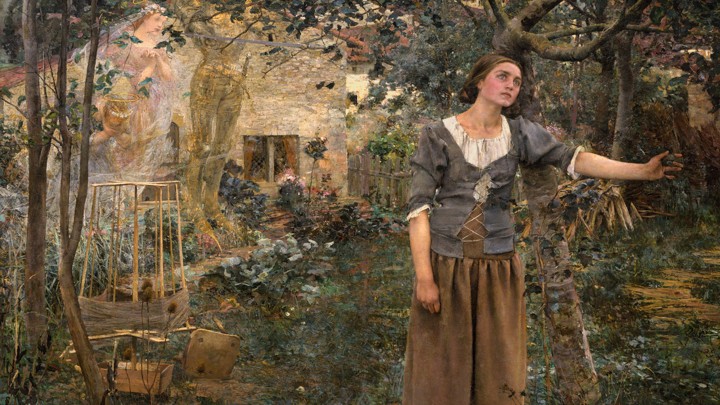
From “Lepage’s Joan of Arc,” by Helen Gray Cone
“Hence goes she ever in a glimmering dream,
And very oft will sudden stand at gaze,
With blue, dim eyes that still not seem to see:
For now the well-known ways with visions teem”
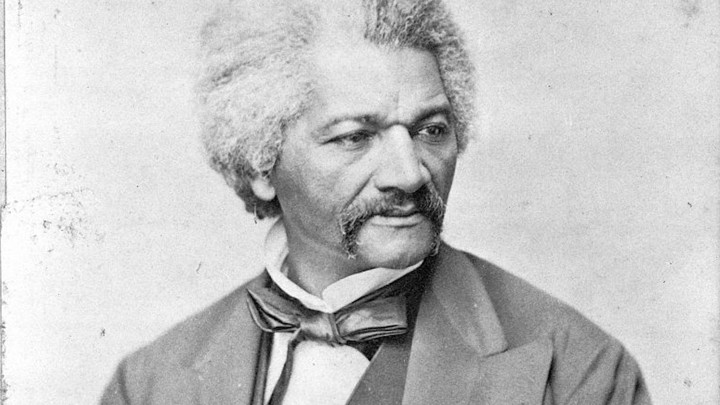
From “Frederick Douglass,” by Robert Hayden
“this man
shall be remembered—oh, not with statues’ rhetoric,
not with legends and poems and wreaths of bronze alone,
but with the lives grown out of his life”
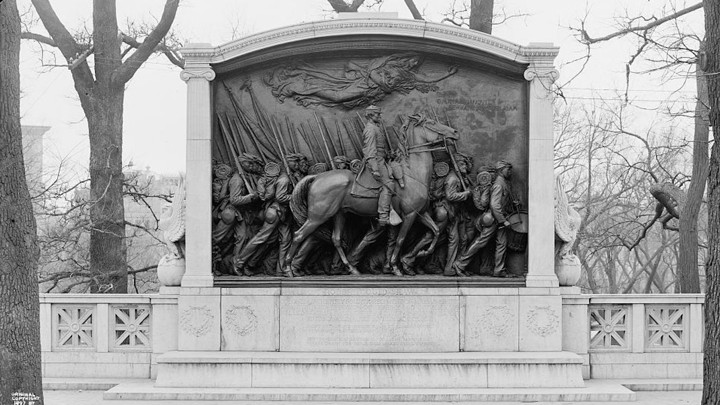
From “For the Union Dead,” by Robert Lowell
“The stone statues of the abstract Union Soldier
grow slimmer and younger each year—
wasp-waisted, they doze over muskets,
and muse through their sideburns.”

From “Articulation,” by Natasha Trethewey
“How not to see, in the saint’s image,
my mother’s last portrait—the dark backdrop,
her dress black as a habit, the bright edge
of her afro ringing her face with light?”

From “Martin Luther King Jr. Mourns Trayvon Martin,” by Lauren K. Alleyne
“For you, brother,
I dreamed a world softened
by love, free from fear
that makes too-early ancestors of our men;
turns our boys into targets,
headlines, and ghosts.”
You Recommend
Last week, we asked you what books about relationships and marriage you’d recommend. Chris, a reader from Saint Paul, Minnesota, put forward Fates and Furies, Lauren Groff’s “vivid, unforgettable portrayal of how two people can have dramatically different views of their relationship.” Another reader, Rebecca J. from Rochester, New York, suggested Lila by Marilynne Robinson, in which “two very different people” are able to overcome their insecurities with mutual “tenderness, respect, and honesty” and build “strength and confidence” in their “unlikely marriage.”
What poem evokes strong memories for you? Tweet at us with the hashtag #TheAtlanticBooksBriefing, or fill out the form here.
This week’s newsletter is written by Annika Neklason. The book she’s reading on her commute is A Heartbreaking Work of Staggering Genius, by Dave Eggers.
Comments, questions, typos? Reply to this email to reach the Books Briefing team.
Did you get this newsletter from a friend? Sign yourself up.

from The Atlantic http://bit.ly/2DagkIR
Comments
Post a Comment