Every weekday evening, our editors guide you through the biggest stories of the day, help you discover new ideas, and surprise you with moments of delight. Subscribe to get this delivered to your inbox.

A nasty, historic recession is looming, and Americans of all ages will feel it. But young people will get whacked particularly hard.
Today, we’re focusing on two vulnerable demographics: Millennials, those 30-ish-somethings who still haven’t fully recovered from 2008, and Generation C, the young people about to enter the workforce amid, or just after, an international catastrophe.
Millennials don’t stand a chance.
They disproportionately hold the kinds of jobs that are being gutted: One astonishing new report found that 52 percent of people under 45 have lost a job, been put on leave, or had their hours reduced because of the outbreak.
And don’t forget: This is their second once-in-a-lifetime downturn. Millennials already make less money and have smaller savings than prior generations. As my colleague Annie Lowrey put it: “Hello, lost generation.”
Generation C has nowhere to turn.
The C stands for the coronavirus. It’s what we’re calling the generation that’ll be shaped by this pandemic (including newborns, kids, college students, and the people currently holding down their first job). They may end up aging into a historically bad recession.
“Older people are more likely to have stable professional lives and finances to help cushion the blow,” Amanda Mull writes. “People just starting out now, and those who will begin their adult lives in the years following the pandemic, will be asked to walk a financial tightrope with no practice and, for most, no safety net.”
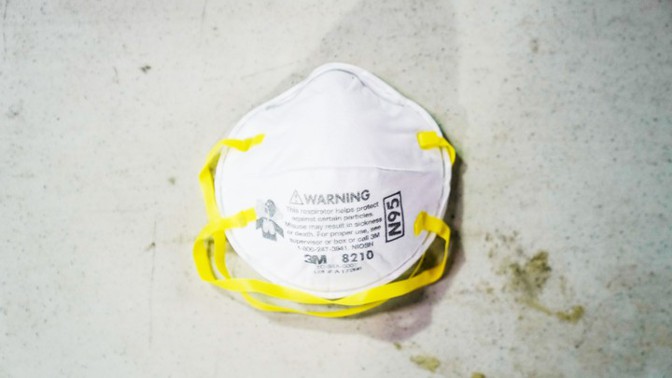
One question, answered: How did the U.S., the richest country in the world, fail to stockpile enough masks for a pandemic flu?
Olga Khazan traces the perfect storm of factors that landed America in a state of shortage. “Everything in our health-care system runs with just enough resources,” she writes, “and we have reached a point where ‘just enough’ isn’t enough.”
What to read if … you just want practical advice:
Tonight’s Atlantic-approved quarantine activity:
Put your thoughts into a poem. It’s week two of our poetry-writing challenge. This time the prompt is: Write about the last dream you remember.
View all of our stories related to the coronavirus outbreak here. Let us know if you have specific questions about the virus—or if you have a personal experience you’d like to share with us.
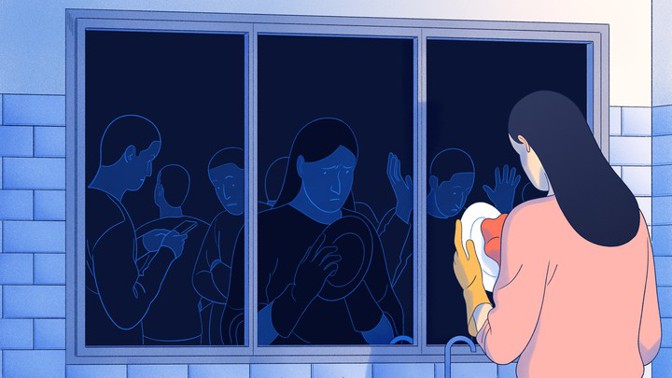
Every Monday, Lori Gottlieb answers questions from readers about their problems, big and small. This week she advises a reader who is losing patience with a boyfriend:
I used to daydream about spending more time with him, but now his habits are starting to get on my nerves.
Read the rest, and Lori’s response. Write to her anytime at dear.therapist@theatlantic.com
This email was written by Caroline Mimbs Nyce, with help from Isabel Fattal, and edited by Shan Wang.
Sign yourself up for The Daily here

from The Atlantic https://ift.tt/3a8bdXn
Comments
Post a Comment