Every weekday evening, our editors guide you through the biggest stories of the day, help you discover new ideas, and surprise you with moments of delight. Subscribe to get this delivered to your inbox.
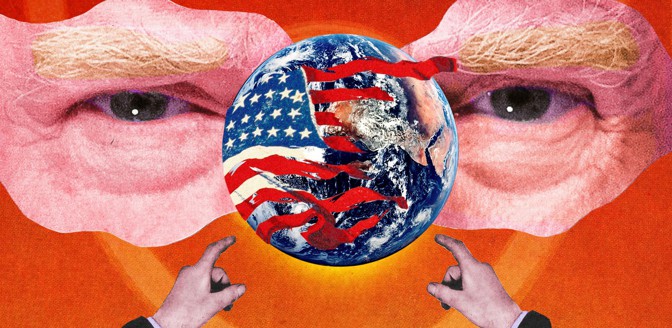
President Donald Trump held up a mirror to the American foreign-policy establishment, two of our writers argue, forcing it to reckon with a broken status quo.
“Trump may have no idea that he is revealing any of this; he may not even agree with the things he is revealing,” Tom McTague and Peter Nicholas write. “Yet he is revealing them nonetheless.”
Tom and Peter, who are based in London and Washington, D.C., respectively, conducted several dozen interviews with experts in the United States and in Europe, as well as current and former administration officials. Below are three of their takeaways from the past four years of Trumpism:
1. Trump revealed a new world order.
After decades of international adventures that have left the U.S. overstretched, overwhelmed, and overburdened, it was Trump who blurted out the uncomfortable truth: American foreign policy was failing, and had been for decades.
2. His foreign policy remains driven by naïveté …
Time and again, we were struck by the assessment, related by multiple sources in separate meetings, that Trump’s most important characteristic when it came to foreign policy was not what his critics charge—his amorality or vindictiveness, his lack of success or diplomatic vandalism. They said … [it] was his naïveté.
3. … and, practically speaking, empty.
Trump, even as he calls out the American-built world order for its failures, has no coherent plan to replace it, no system that would work better. He isn’t trying to reorder the world; he’s just pointing at the order and calling it naked. Or as [Fiona Hill, Trump’s former senior director on European and Russian affairs at the National Security Council] put it: “He’s a chaos agent.”
Further reading: These world leaders want Trump to win the election, Yasmeen Serhan reports.
14 days remain until the 2020 presidential election. This is today’s essential read:
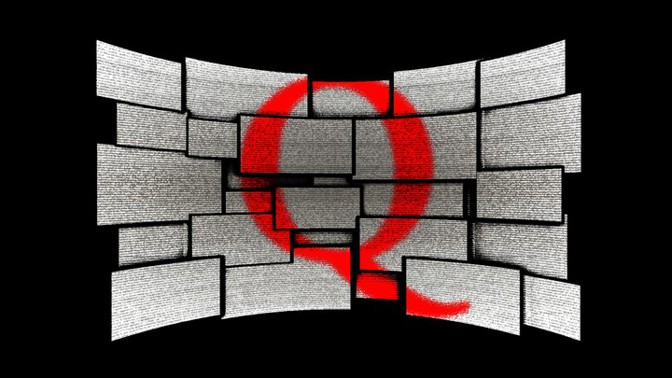
The far-right misinformation ecosystem is preparing for the possibility that Trump might lose, Renée DiResta reports.
“Its goal is simple—to preemptively delegitimize any outcome but a clear victory by the incumbent.”
Want to better understand the ongoing coronavirus outbreak? Here are four key stories from our team:
Stuck on what to stream? Let us help:
’Tis the season for a fright. Our critic David Sims selected 25 of the best horror films, ranked by scariness.
Today’s break from the news:
“Our boyfriends, our significant others, and our husbands are supposed to be No. 1. Our worlds are backward.” Rhaina Cohen writes about people who consider a friend to be their life partner.
Did someone forward you this newsletter? Sign up here. Need help? Contact Customer Care.

from The Atlantic https://ift.tt/2IMkVGR
Comments
Post a Comment